Time teaches us a lot - I vividly recall my first ever coaching session during which I picked up my megaphone to say something. And then thought better of it, put down the megaphone. And again....
With time, we get skilled at pattern recognition - coaches recognise situations and know what we did before. This makes it easier to coach because we know what the "fix" is.
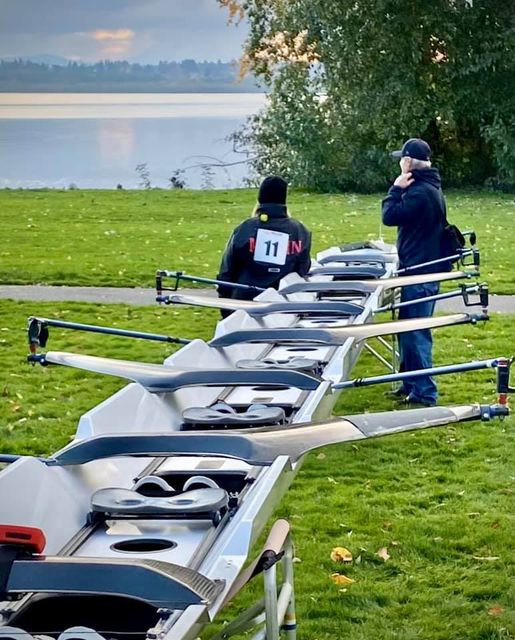
Knowing what to do in many different situations is what underpins a lot of our coaching practice. Likewise, spotting the moment when something dangerous or potentially dangerous is developing is also something we coaches learn over time.
After any safety incident we have to submit a report and the committee reviews it with a view to revising or improving our safety practices. What trade-offs are inherent in your safety choices?
Thomas Sowell (a professor of Economics) is famous for saying
"There are no solutions only trade-offs"
I love this quote because he concisely frames the challenges we face.
This illustrates that layered decision-making is key to getting effective outcomes. When you're round the table with colleagues or your Board, try to see what the trade-offs are inherent in the proposal which is being considered.
Stress-testing a solution can be part of these trade-offs. Fly a kite / set up a straw man and see what reaction you get - when howls of derision follow, you know what a vocal part of your audience think - and if you get stony silence, again you know. What's key is that if people disagree with you, remember that the "other side" is likely not coming from a place of malice, and remember there is no "perfect policy".
I am told that the old Air Traffic Control Handbook used to include this message on the opening page.
Nothing in this book is meant to over-rule your common sense. If it doesn't look safe, don't do it.
Now go and review your own coaching pattern recognition - what can you build on and where could improvements come from?
Mastering Masters Rowing: The Benefits of Expert Coaching
Nobody can learn to row from a book or from a video.
It’s a sad truth that despite a lot of investment in online training and advice, rowing is one of the few things which anyone benefits from expert coaching, particularly when you first start.
And in case you think I’m biased, I run an online rowing coaching business and we NEVER take on clients who are beginners. We always tell them to join a local rowing club so they can get expert coaching.
In this way rowing is rather like learning to ride a bicycle - you have to experience it for yourself. Learning what rowing feels like is a critical input to your acquiring the skills.
Getting yourself to a good club near your home is easy - just search for “[Your Country] Rowing Federation” and you’ll find the website for the organisation who runs rowing for your country. They all have learn to row pages which list clubs who offer courses.
Note that adult learn to row and children learning may be listed separately.
Once you’ve found a club, go and meet the people - speak to the rowers and speak to the coaches. A good masters rowing coach has several attributes
Ask when the club will next be running a learn to row or learn to scull course and sign up to the waiting list. It’s fun to learn in a group with other adults.
After you have completed your learn to row course, the next steps are to practice regularly.
The more often you can row, the more likely you will learn quickly. A great way to learn is to join a group who train together two or three times per week. After three months you will have been out on the water over 20 times and the sculling movements will be familiar, you’ll have worked out a lot of the early challenges (how to feather, ways to stay in time) and you will be ready to start to learn faster.
There are two ways you can learn faster - practice with a more experienced rower in front of you - so you can copy their movements. And secondly, get videoed. If you can have someone video three strokes of you rowing, send it to an expert coach for rowing video analysis. You will get some detailed advice on what you are doing well and not so well and also drills and exercises to practice so you can speed up your improvement curve.
Rowing is fun and is frequently challenging - as you get more skilful, you continue to work on the same “Basics” as beginners learn - but you get to execute them to a high level of skill. The more refined and consistent you can make your movements, the faster your rowing skills will advance.
Join our community and get our exclusive Faster Masters Rowing Magazine, packed with tips, techniques, and inspiring stories. Includes four new articles monthly.