After publishing my original Bucket List Head Races blog, a generous reader got in touch and shared a much more comprehensive list of Australian events. It quickly became obvious that Australia deserves its own bucket list, there’s a real mix of races on offer and some of these races are unique by world standards.
From classic river heads to marathon distances and even rowing through the outback, Australian head races combine travel, challenge, and a strong rowing community vibe. This list is aimed at anyone planning a rowing trip, looking for a new personal challenge, or simply keen to experience some of the best long-distance rowing Australia has to offer.
As always, this isn’t a fully checked or exhaustive list. Dates, distances, and formats can change, so please confirm details with the organisers before entering.
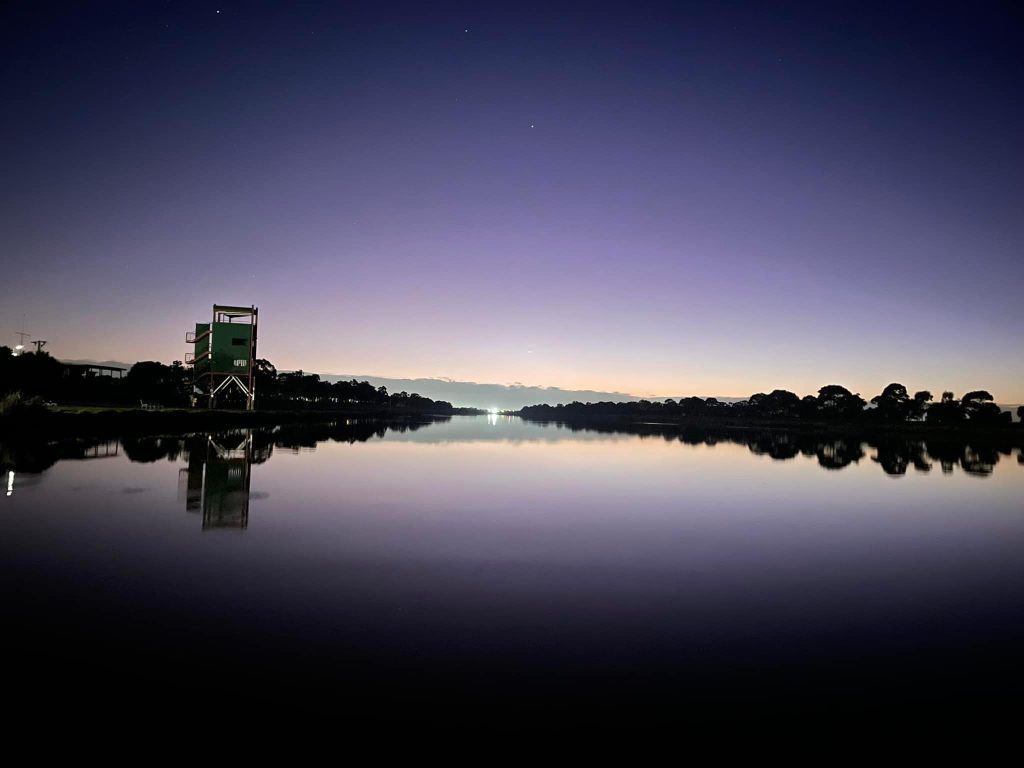
Head of the Yarra – Melbourne, VIC
Held on the Yarra River in Melbourne, this is the largest eights regatta in the Southern Hemisphere and regularly attracts crews from across Australia and New Zealand. For many rowers, this is the ultimate Australian bucket-list race.
Melbourne Head – Melbourne, VIC
Established in 2004, this event was created to be a major long-distance race on the Yarra and is often compared in ambition to the Head of the Charles. It continues to grow in profile each year.
Head of the Barwon – Geelong, VIC
A well-established singles time trial on the Barwon River in Geelong. A popular early-season hit-out that attracts scullers from across the state.
Distance: 4.5km
Head of the Mitchell – Mitchell River, Bairnsdale, VIC
Rowed on the scenic Mitchell River near the Gippsland coast, this event offers a choice of distances and a relaxed country regatta feel.
Distances: 3km and 5km
Usually held in October.
Foot of the Goulburn (River to Lake) – Nagambie, VIC
A point-to-point race starting on the upper Murray system and finishing on Lake Nagambie. A great mix of river skill and flatwater speed.
Distance: 5.2km
Typically held in October.
Melbourne Head of the Yarra (Schools Event) – VIC
Held one week prior to the main Head of the Yarra, this race is open to school-aged crews only and is a key fixture on the school rowing calendar.
Head of the River (AAGPS) – Sydney, NSW
A prestigious school rowing event that traditionally marks the end of the season for Great Public Schools in New South Wales. It is held at the Sydney International Regatta Centre and is a major fixture on the school rowing calendar.
Head of the Clarence – NSW
A river head race listed on the Rowing NSW calendar, typically held in December.
Nepean Head – Penrith, NSW
The Nepean Head is a series of head races on the Nepean River, popular with masters, club crews, and school-aged rowers.
Bill Beach Memorial Head – Lake Illawarra, NSW
Hosted by Shellharbour City Rowing Club, this long time trial is a favourite with endurance crews and masters rowers.
Distance: 10km
Usually held in September.
Head of the Shoalhaven – Shoalhaven River, NSW
A popular masters-focused event offering racing for eights, quads and fours on a fast-flowing river course.
Distance: 7km
Typically held in October.
Lower Clarence Time Trial – Grafton, NSW
A classic regional long-distance race hosted by Grafton Rowing Club on the Clarence River.
Usually held in September.
Head of the Manning / Wilkes Shield – NSW
One of the longer Australian head races, rowed on the Manning River and often used as a serious endurance test.
Distance: 16km
Usually held in late September.
Bentley’s Australian Outback Regatta – Thomson River, QLD
This is true bucket-list rowing. Held across two outback towns, crews race primarily in eights with sprint racing in Barcaldine followed by a long head race in Longreach. Equal parts rowing, travel and adventure.
Day 1: Short sprint races (Barcaldine)
Day 2: 6.5km head race (Longreach)
Usually held in early October.
Head of the Brisbane – Brisbane River, QLD
A long, winding course through the heart of Brisbane, offering challenging steering and varied conditions.
Distance: 9.5km
Typically held in October.
Head of the Tweed – Murwillumbah (NSW–QLD border)
One of the longest head races in Australia, this iconic event is rowed upstream on the Tweed River and is not for the faint-hearted.
Distance: 21km
Usually held in late June.
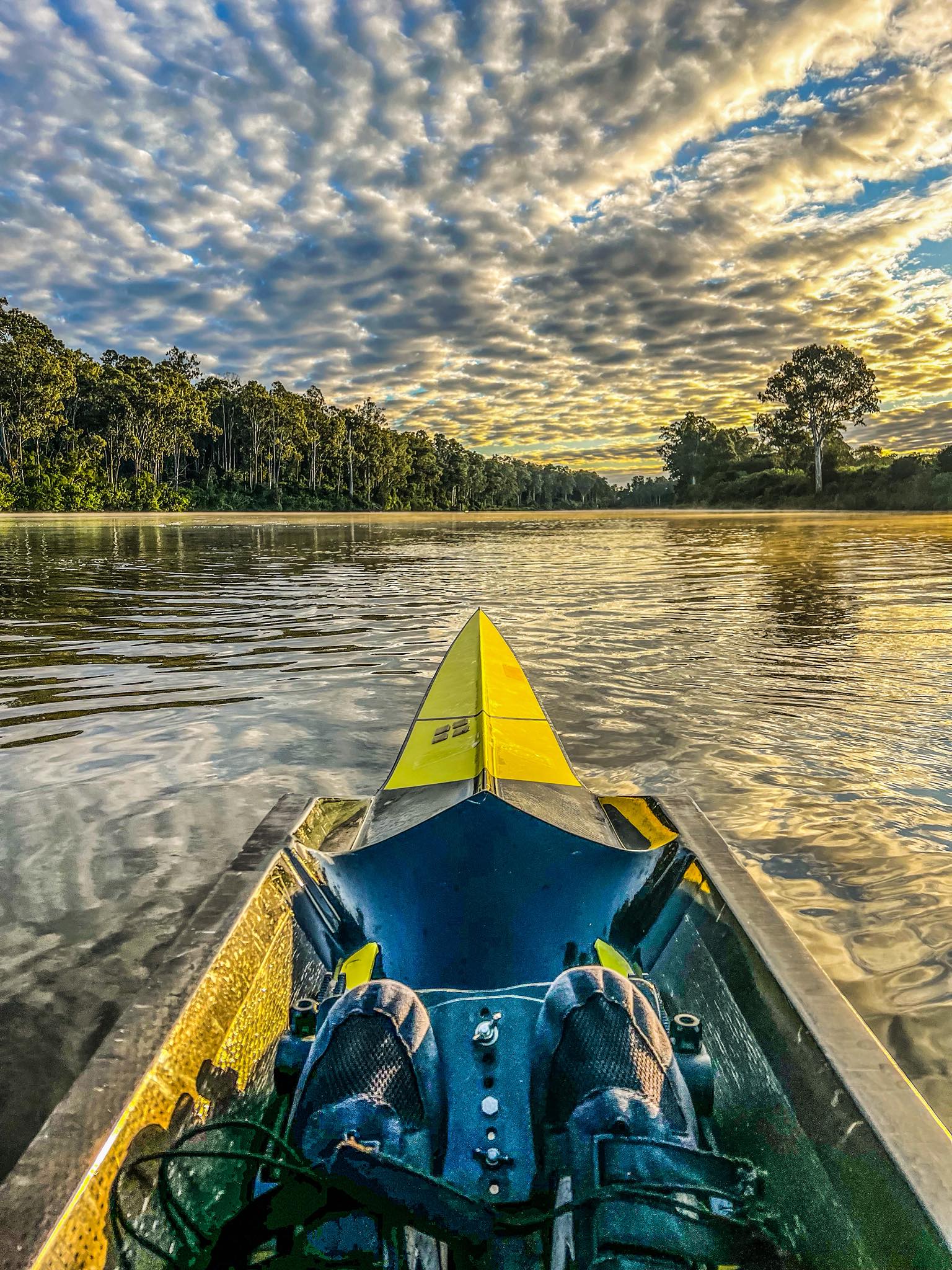
Round the Island Regatta (Alex Ramsay Regatta) – Delfin Island, Adelaide, SA
A distinctive long-distance race looping around Delfin Island, offering sheltered water and technical racing.
Distance: 7.3km
Typically held in November.
Head of the Huon – Franklin, TAS
Rowed on Australia’s southernmost rowing course, this event is known for its scenery, variable conditions and welcoming local clubs.
Distance: 8km
Usually held in October.
NERC Long Distance Races Regatta – Tamar River, Launceston, TAS
A two-day regatta with a strong endurance focus, culminating in eights racing on the Sunday.
Distance: 11km
Typically held in November.
Col Panton Memorial Marathon Regatta – Lake Burley Griffin, Canberra, ACT
A marathon-style rowing event with multiple boat classes, including mixed masters eights, held on Canberra’s iconic lake.
Distance: 7km
Traditionally held on the second Sunday of October.
Bridge to Bridge Mary River – Maryborough, QLD
A long-distance time trial on the Mary River, offering a true endurance challenge and a relaxed regional regatta atmosphere.
Distance: approximately 13–14km
Usually held in August.
RWA Perth to Fremantle Head Race – Swan River, WA
A classic long-distance head race rowed down the Swan River from Perth to Fremantle. This iconic event is a staple on the Western Australian rowing calendar and is known for its length, changing conditions, and strong club participation.
Distance: approximately 16km
Typically held: October or November
Australian head races offer something genuinely different - big rivers, long distances, strong club culture and the chance to turn a regatta into a proper trip away. If you know of other Australian head races that belong on this bucket list, I’d love to hear about them.
A rowing friend asked me if I had a list of all the head races in the world. I don't. There are a lot of head races - in the UK every club has a winter and a summer regatta and the winter ones are usually head races. She was looking for ideas of places where she could travel abroad to race.
So here's what I have gleaned from some web searching. Needless to say these are NOT all checked and information can go out of date fast.
Upcoming head races
Recent past head races
Major head races in the UK
Other notable events
Notable head races
Major head races
Key head races in Australia [And MORE head races in Australia.]
Key Head Races and Long-Distance Events
Specific head races in Germany
Major Rowing Head Races in the Netherlands
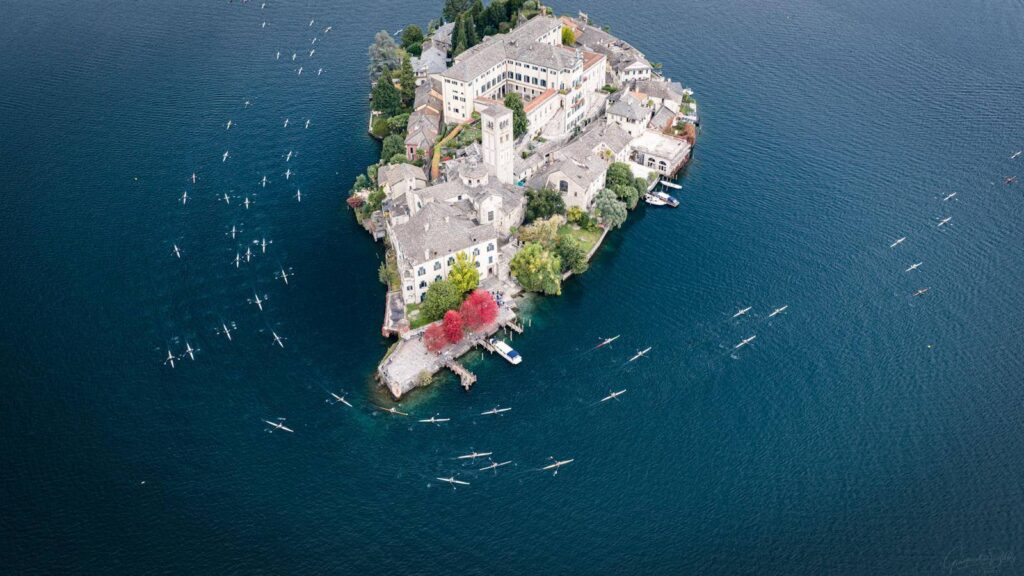
Major head races in Italy
Other notable rowing events in Italy
Notable Argentine Head Races
With Kim Degutis (Riverside Boat Club, Cambridge MA) and Heather Franklin (Orlando Rowing, East Arm Rowing, NY).
02:30 Coxing a four compared to an eight. Heather - coxing a four (front loader) you can't see behind you. My bow seat is an extra pair of eyes stroke telling me if a boat is coming up behind and stroke seat communicates with other crews. It's great for picking a point beware knowing how wide your oars are because you can't see.
Kim - the eight has a bigger engine and you can see your rowers and help them with technique calls. The pivot point for an eight is like pin a tail on the donkey - it turns differently from a four because it has more mass to get around the corner. Setting up a turn in an eight is easier for visual acuity.
06:30 Bow loaded four gives a different vantage point. The rowers partially obscure an eight's coxswains view. The eight is the "dump truck" or "freight train" of rowing boats. In a four you have to trust the rowers behind you - you need better boat feel to cox it skilfully.
Filling the time can be scary. At the start focus on the rhythm in the boat and steering "inside the gunwales" and to get a good start. The middle section of HOCR is setting yourself up well for bridges and making moves between crews. Overtaking comes later and when the crew gets tired I focus on good technique, rowing smarter not harder and ending with the sprint to the finish line.
I can hear the wheels really loud I know they are digging into their seats and the crew isn't floating up the slide. I freeform some motivational calls for rowers specific to them to prevent them zoning out. Or do a silent 5 or 10 where I listen to the finishes - that makes the rowers realise I'm silent and they need to focus.
13:30 Kim uses landmarks to structure the race. She brings to the focus onto splits, or a technical point to get the crew out of their heads and to feel the flow. She focuses on little bits on the race course. 15:00 Help the rowers to not focus on their pain. We work on this in practice you are a psychology coach.
16:00 Working on 2 modalities - prepare them for what's coming up and at the same time get them to stay in the present to make this a good stroke. The cox is part pilot, part jockey. In a head race pilot is a good start. Heather moves between these two modalities but it depends what's happening around you.
Lean into what you hear at practice from your coach. Those things being worked on will be useful in a race. You can't do power 10s all the time. Get more tools in your toolbox with things the crew has practiced. Also know your race packet (joining instructions) so your crew don't have to think. Kim's advice is to re-learn key words the coach uses - don't beat the crew with endless power 10s. Know the major landmarks and have a plan for the technical calls around the landmarks. Look up under the bridges as you may get into a photograph!
21:30 Tips for motivating
Heather reminds her crew that there is 100 years of experience in the five of us. We have done the work. We are no less qualified for the race than the Olympians in front of us. Marlene believes that training year round takes a crew to a whole other level. Kim's motivational calls for the main is team-specific and situational. It depends on the crew's culture and needs. No two crews are the same. A good cox dials in to their crew which is the difference between coxes who only steer the boat.
Get our ebook on the Ultimate Guide to Head Racing
25:00 Communicating to the crew how to mentally prepare them to row the distance.
Heather says the training has to be there first. We do time trials on our local water and a "ghost race" the crews we are racing against. I pretend we are at the race, I do all the bridges. I practice doing crazy turns and passing crews. I make it as realistic as possible.
Kim says imagine your arch rival crew in front of you. The cox on land tries to find videos of the race and learn the landmarks from the race map so you're prepared to give the crew an additional kick on the chin if needed. If you need to be the "bully on the river" if you aren't rubbing then you aren't racing. I like to make them hurt if they want to pass us. Have the discussion on land first. I sometimes tell them 'the beer is getting cold on the finish line' and 'there's an ambulance waiting for you'. Anything can happen, people will not yield but whatever happens, I will talk to you as we go down the course so you are aware.
Marlene says practicing screwing up and coming back from it.
It's the time of year that people start to pull crews together for head racing season. Many new sweep crews will be formed for HOCR (Head of the Charles) and other autumn head races. So what can you do to get your crew rowing well together, fast?
It is really hard to get a crew to blend their style and technique quickly. This is one reason why longstanding crews often race faster than "jump in and go" crews.
The best place to start this process is doing drills to get the combination of your movements aligned. Remember, nearly everyone will need to make adaptations - no one individual rows perfectly. Consider a dollop of humility as you approach your practices, especially if you are one of the more experienced in the crew.
As with all rowing drills, it's important to do each drill up to 3 times per training outing in order to really master the method, to improve how you execute it together and lastly to see the effects of the drill on your rowing. Execute to a high standard is a good motto.
Listen to the podcast from 24 minutes when we discuss the drills recommended for crew sweep rowing. And the timestamps below help with a list of the drills you need for your crew,
03:50 The past week - coaching, rowing, getting colder in Canada
08:30 Subscribe to our Newsletter and get confident rowing and sculling
https://fastermastersrowing.com/newsletter/
10:00 National Voice for Masters in NZ - communication meeting about how and what to message
11:30 Row2k published our article Rigging 101 for Masters covering easy adjustments to your boat and the level of difficulty of each. We focus on the cause and effect of rigging changes
https://www.row2k.com/features/5242/Rigging-101-for-Masters/
Rigging feet heel height to seat top is in the 17 cm range. This hugely affects ability to compress and get power in the first part of the stroke
15:00 My problem is I row a men’s heavyweight single and I weigh 115. I dig a bit deep on the drive. I suspect this is operator error but I really want it to be a rigging problem. Thoughts?
Digging deep while sculling in a big boat. This affects the steepness of the angle of the oars into the water.
Drills to improve digging - rowing circles, half blade buried.
Also avoid corrugating through the water.
19:00 Darkness is coming. I was going to ask a question about navigation lights, but then did my own research and bought these Navisafe lights, and wanted to share the information. Two nautical miles range, Coast Guard approved. I got two: one is set to green/red for the bow and the other to white for the stern
Early thoughts about boat lights for rowing boats - Rebecca uses Rail Blaza lights are 360 white lights which can also go on a pole.
https://www.railblaza.com/products/illuminate-i360-all-round-white-navigation-light/
https://www.railblaza.com/products/quikport-mount/
24:00 Sweep crew drills for HOCR and Autumn head races
Start with rhythm drills
- pause drills
- release drills
- blade depth drills
Get keyed into the voice commands of your coxswain
- Wide grip drill is very good
- Row in 6s to get accustomed to the movement
- Reverse pick drill for leg drive co-ordination
28:00 Drive pressure drills
- go from half to three quarter pressure building during the stroke. Light, medium, hard thinking that you’re rowing with glass oars for 5 strokes at each pressure.
30:00 Drills to increase stroke rate
- Half slide drills
- 20 strokes acceleration at half slide every 5 minutes during a longer low rate piece
- Rolling or flying starts are good every 3-4 minutes
Other things to practice
- Plan and practice emergency stops and re-starting as you may need to use that in the race.
- Inside hand on the back stay drill
-Getting familiar with Sweep if you’ve mainly sculled - Use your peripheral vision to watch the blade entering the water.
38:00 heart rate variability testing our recovery. It detects instabilities in our physiology. Marlene and Rebecca both use the HRV4Training app.
Join our community and get our exclusive Faster Masters Rowing Magazine, packed with tips, techniques, and inspiring stories. Includes four new articles monthly.