Masters rowers fundamentally are no different from any other age group. However, regular competitors know that your strength and flexibility changes as you age and so it is helpful to re-assess rigging and boat set up regularly for masters training groups. Knowing how to adapt rowing rigging for masters is explained here along with some common problems and how to fix them with rigging adjustments.
The goal of rowing and sculling boat rigging for masters is twofold:
Let’s start by reviewing the parts of a rowing boat which are capable of adjustment and the degree of difficulty involved in changing each.
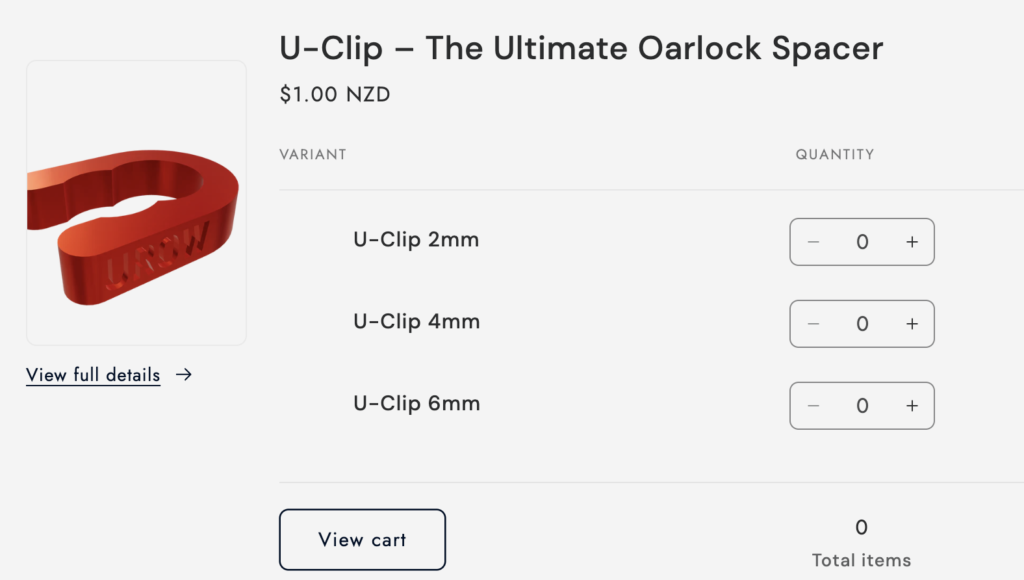
My assessment of easy / moderate / hard is based on the amount of time, tools and skill needed to make a change. For example, a club who uses snap-lock spacers on the oarlocks will find it very easy to change the oarlock heights on the water.
Changing your slide position on the water is more challenging - but easy to do off the water with the boat on trestles. Adjusting the rigger pin takes tools, time and expertise and so is classified as hard.
Knowing what can be changed is a good starting point. Any change has to be made with reference to an “ideal” or preferred situation. Therefore rowing groups should all know some basic principles of rigging which can be adapted for taller or shorter people.
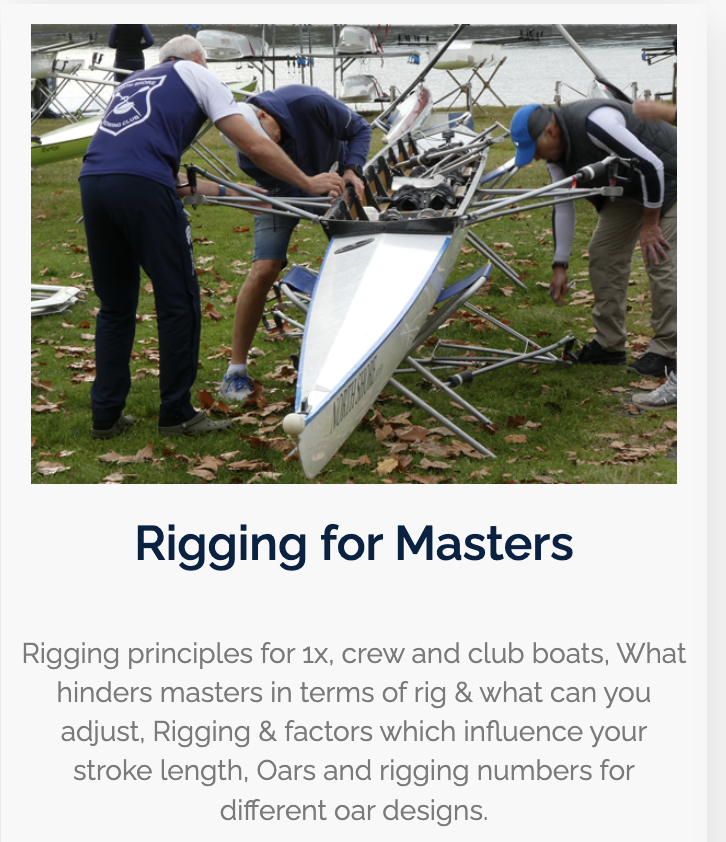
There are some fixed positions that rowers should be able to achieve
These give you clear points in the rowing stroke cycle to check against what your athletes actually do when they are rowing. Note that many will be able to get into these positions when the boat is stationary, check if they actually do it while rowing continuously.
Problem: not enough space between the handles at the sculling finish
Problem: Handles can go past the body at the sculling finish
Problem: Cannot get shins vertical at the catch
Problem: Cannot get back rocked forward with shoulders in front of hips on recovery
Problem: Cannot keep oars buried at the finish under the water
Problem: Tall athlete rowing with a shorter athlete
Problem: Big shoes in the boat and athletes with smaller feet
Most rigging fixes are a combination of recognising a problem and knowing what to try as a possible solution. As a rule, only make one change at a time, go rowing and see what the change is before making another change.
Would you like to publish this article in your club newsletter or website?
Join our Masters Rowing Advocates mailing list and we will send you one article a month. Sign up on our Advocacy page.
You can copy the text on this page. Or download the PDF
Several listeners asked questions about oars and rigging for masters - specifically how long your sculling oars should be and what the ratio of outboard to inboard is ideal and whether that changes for different oar shapes,
We apologise for the poor audio in part of this podcast.
01:00 This Past Week - what we do to advocate for masters rowing.
Rowing Canada ethics course - legal issues, ethical issue and scenarios
Rules for rigging rowing boats
- Make yourself comfortable
- Centre yourself - at the catch hip on the pin centreline
- Height - keep your forearms above the handles
Sit in your boat and get someone to observe - if they aren't an experienced rower, just get them to take photos of you - from as low down as possible so you can examine in close up.
Sadly "it depends" is the only correct answer here. It's more important to see the person in the boat than to just follow rigging numbers. Customise to your flexibility and strength.
Sculling oar lengths for masters depend on your age and the type of oar you are using - see diagram below.
Rig for the "end of the race" - Ted van Dusen
What degrees of arc should we rig for?
Your priority is to get as many degrees of arc catch angle as you can.
In a September 2021 Rowing News magazine article Volker Nolte makes recommendations for masters "Rigging Numbers for Scullers"
The diagram below is from the article.

28:00 Hanging or arm bending in the initial part of the stroke?
Use each body part once per stroke - does arm bending affect your finish?
35:00 The Power Rectangle in rowing diagram. When oars are perpendicular what is the pattern of legs, back & arms - using the right sequence. Check using video.
37:00 Foot stretcher angle and height - rule of thumb 43-45 degrees on the foot stretcher. Shoe height is determined by your flexibility and height.
Ensure your shoes fit. Check heel to seat measurement on the erg.
44.00 Getting back on the water after a long break - using pontoons. Be gradual.
Try "no puddle" rowing and turns or backing down with some stationary drills to reacquaint yourself with the boat and oar handling skills.
47:00 Getting to the pin in club boats - should you compromise finish or catch?
Use the release position if you can't adjust them.
Buy your own oars if you can afford and use clams to adjust then to suit the boat you are in.
Ask your club committee or board to standardize boat set up.
51:00 Changing oar gearing is it OK to shorten or lengthen the inboard?
Are you trying to match other people in the crew? How does it affect your rating and load?
54:00 C2 Fatties (sculls) can you cut them down to 85cm?
57:00 Using the C2 Comp blade for lightweight women masters
1:02:00 Transferring sculling skills to a sweep boat
Consider rotation, inside arm and faster moving boats.
Join our community and get our exclusive Faster Masters Rowing Magazine, packed with tips, techniques, and inspiring stories. Includes four new articles monthly.