Transporting your single scull on a car roof rack can be a convenient way to get your boat to the water especially if you can't get a rack at your rowing club. Car topping to regattas and that important first drive after buying a new boat means you may have safety concerns and challenges. From ensuring stability to adhering to road safety measures, here are some tips to help you transport your single scull with confidence .
One common concern among rowers is whether it's necessary to tie a bowball down when car topping a single scull on a roof rack. The answer? It depends. If your car roof rack is sturdy and well-designed, you may not need to tie the bowball down. However, if you notice any wobbling or instability, it's advisable to secure the bowball to prevent potential accidents or damage to your boat and car.
To tie down the bow ball securely, follow these steps:
Ron Sneddon kindly wrote us with this additional advice.
As the principal means of securing the shell to the car, I would respectfully suggest that the main roof rack and supplemental brackets should be covered first and that the bow ball and stern straps receive second priority. The fore and aft straps should be ancillary, and desirable, restraints.
You also caution against allowing a twist in the straps. I have found that a half twist will most often cancel the tendency of the straps to "flutter", especially the longer fore & aft ones. The flutter is caused by the flow field around the moving car interacting with the strap causing a Von Karman vortex street. I did a Google search and found several illustration of this aerodynamic effect, which is pretty simple and easy to understand. When I had a shell to transport I tied down every strap with a half twist so as to not have to interrupt the trip to fix a flutter.🙂 The strap flutter might be responsible for fatigue failure(s) in lightly built rowing shells, never mind the annoyance.
Ron Sneddon, Masters Rower
2. Stabilising Your Car Roof Rack
Another issue rowers often face is a wobbly car roof rack when carrying a single scull. A shaky roof rack can be nerve-wracking and potentially dangerous, especially when driving at higher speeds. To address this concern, ensure that your roof rack is properly installed and tightened according to the manufacturer's instructions. Additionally, consider using additional support, such as foam blocks or tie-down straps, to stabilise the boat and minimise wobbling during transit.
Before loading your single scull onto your car roof rack, it's essential to confirm that your vehicle is compatible with carrying a boat of its size and weight. Check your car's owner's manual and local road code to determine the maximum weight, overhang and capacity and any specific guidelines for roof rack usage. Additionally, make sure that your roof rack bars are wide enought apart to accommodate a single scull securely and safely. Most cars will need a specialist rowing boat rack attached to the roof rack.
Find local suppliers of rowing boat racks for cars.
While transporting your single scull on a car roof rack, take precautions to protect both your boat and your vehicle. Inspect the roof rack and boat regularly whenever you stop on the journey. Check all straps and tie-downs in case they have shifted during transit. Additionally, consider using protective padding or covers to prevent scratches or dents to your boat and car.
If you are like a friend of mine who has a coastal double scull which is heavy. She uses a roof rack that mounts onto the tow bar - it allows a tip to 45 degrees and she can get the boat onto that, then push it forward onto the main roof rack bar.
I think Rhino sell these and I’m sure other brands do as well. This one has the specifications:
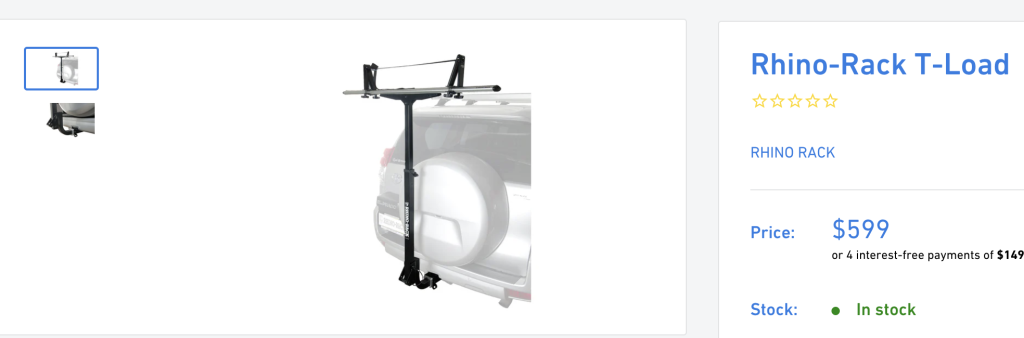
I found all these rowing car rack systems on the Rowing Directory - bookmark the page for when you next need to find a rowing product supplier.
Travel safe!

Join our community and get our exclusive Faster Masters Rowing Magazine, packed with tips, techniques, and inspiring stories. Includes four new articles monthly.