I read Abby Bowman’s article on Junior Rowing News about the fitness boom with interest. She makes some really solid points - but there is a lot which is missing.
Reply: The Masters Rowing Solution to Rowing's Fitness Boom Challenge
The article raises excellent points about rowing's struggle to capture the fitness boom, but it overlooks one of the sport's most underutilised assets: masters rowing as a sustainable business model that could transform how clubs operate and retain athletes throughout their lives.
Masters Rowing: A Self-Serve, Low-Friction Revenue Stream
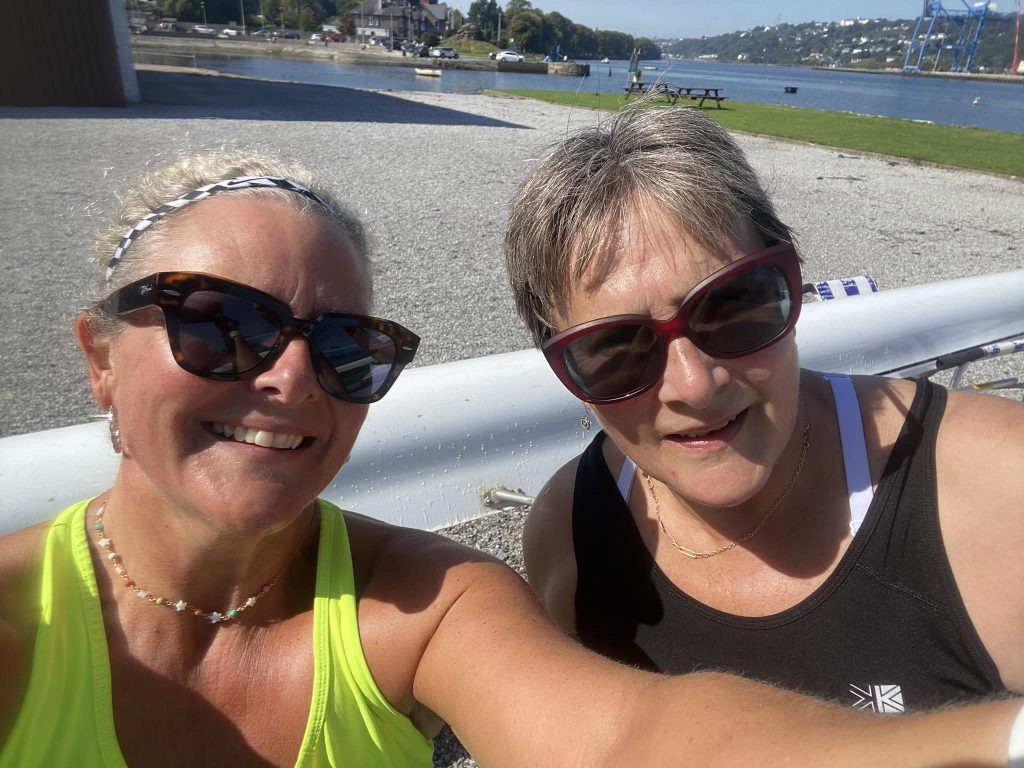
Masters rowing represents an untapped opportunity for rowing clubs to generate consistent revenue with minimal overhead. Unlike youth programmes that require extensive coaching, supervision, and coordination with parents and schools, masters rowers are self-directed adults who pay membership fees without requiring financial aid, organise their own training schedules around work and family commitments, maintain and care for equipment responsibly, often require minimal coaching intervention, and create a stable, recurring revenue base that doesn't disappear during summer breaks or academic transitions.
This is essentially a self-serve model where the club provides access to boats and facilities whilst masters athletes take ownership of their experience. The friction points that make youth rowing administratively intensive disappear with adult athletes who don't need permission slips, complex safeguarding arrangements for every session, or academic scheduling coordination.
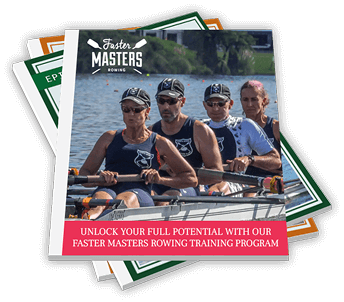
Faster Masters Rowing has been leading innovation in this space, developing new business models specifically designed around the realities of adult participation (Webinar: Masters vs Juniors). Their approach recognises that masters rowers have different needs and capabilities than youth athletes, and that clubs need practical frameworks for serving this demographic effectively.
Sweating the Assets: Using Equipment During Off-Peak Hours
Most rowing clubs face a fundamental business challenge: their most expensive assets sit largely unused for significant portions of the day and week. Youth programmes typically monopolise peak hours after school and early mornings, but leave vast gaps mid-morning to early afternoon on weekdays, late morning at weekends, throughout summer when school programmes wind down, and during holiday periods.
Masters rowers naturally fill these off-peak times. Many work flexible schedules, work from home, are semi-retired, or can take lunch breaks for a mid-day row. This means clubs can generate additional revenue from existing infrastructure without needing to purchase more boats or expand facilities. A single eight can generate membership revenue from a youth crew, a university crew, and multiple masters crews throughout the day, maximising return on that capital investment.
The café culture mentioned at Putney should include masters rowers post-morning row, not just cyclists. Clubs are missing this mid-day social and economic opportunity.

Bridging the Post-Youth Dropout Gap
The article identifies the problem but doesn't fully address one of rowing's most critical failure points: the mass exodus of athletes after youth rowing ends. Whether athletes finish school rowing or complete their university careers, rowing loses an enormous percentage of trained, passionate athletes because there's no clear pathway forward that can balance a career and training (not 12 times a week).
The typical trajectory looks like this. An athlete rows through school or university, graduates and moves to a new city for work, assumes rowing requires the same six-day-a-week, 5am commitment as in their competitive days, decides they can't maintain that lifestyle with a full-time job, and quits rowing entirely.
Masters rowing provides the bridge, but clubs do a poor job of communicating this transition. The masters model offers flexible training where you row when your schedule allows, three times a week, twice a week, or just weekends, with no mandatory attendance policies. Racing is optional, you can do one regatta a year or go pot hunting every weekend, it's your choice. Many masters rowers train purely for fitness and social connection without ever racing. Progression is self-directed, you set your own goals. There are multiple entry points, you can come back to the sport at 27, 35, 50, or 70, with masters categories ensuring age-appropriate competition.
Faster Masters Rowing has developed comprehensive adult return-to-row courses that provide structured entry points for late-stage beginners, including those who never rowed at school or university. More importantly, they've created a genuine pathway for masters rowers from beginner through intermediate to racing, with clear progressions that accommodate the reality of adult life (the New Masters racing grade). This isn't just about teaching technique, it's about building sustainable participation that recognises people have jobs, families, and other commitments.
The Coach Education Gap
One of the most overlooked barriers to masters rowing growth is the lack of coach education focused on working with older athletes. Many coaches are younger than the athletes they're working with, having come straight from university rowing into coaching roles. They may have little experience understanding the movement limitations that come with age, the time constraints of juggling work and family, or the life responsibilities that mean an athlete can't simply add more training volume. Plus adults learn differently than children - they want to understand WHY we’re doing something - the GOAL of a drill and whether they’re improving.
Faster Masters Rowing addresses this directly through coach education programmes that teach coaches how to work effectively with masters athletes. This includes understanding how to programme for bodies that recover differently than twenty-year-olds, how to work with athletes who have previous injuries or movement restrictions, and how to create training plans that fit around work schedules rather than assuming unlimited availability. A coach who understands that their 45-year-old athlete has a demanding job, teenage children, and aging parents to care for will create fundamentally different training plans than one who simply scales down what worked for university crews.
This education also covers the psychological shift required when coaching adults who are often highly accomplished in their professional lives. The coach-athlete dynamic is different when you're coaching a surgeon, a barrister, or a senior business executive who has three decades of life experience on you. Effective masters coaching requires mutual respect and recognition that the athlete brings valuable knowledge about their own body, schedule, and goals to the relationship.
Implementing the Solution: What Clubs Should Do
To capitalise on these opportunities, clubs need to market masters rowing as flexible fitness, not just competitive racing, emphasising the train when you want, race if you choose model in all communications. They should create dedicated off-peak masters sessions that showcase equipment availability during business hours, advertising lunchtime rows or mid-morning masters slots. Other modes can include a 3 month summer membership or “challenges” like racing the Veterans Eights Head starting 60 or 90 days prior and disbanding afterwards.
Clubs must actively recruit graduating youth rowers with clear messaging about the transition to masters (like the AA age category which starts at age 21), hosting sessions for graduating students about life after competitive rowing. They need tiered masters programmes that accommodate everyone from former internationals to absolute beginners, with different commitment levels clearly defined.
The business case should be tracked and celebrated, calculating revenue per boat across all programmes to demonstrate how masters rowing improves asset utilisation and club financial sustainability. Finally, clubs need to build social infrastructure that mirrors what other fitness communities offer, the post-row coffee culture, the social events, the challenges, the community aspect that makes showing up rewarding beyond just the workout.
The Bigger Picture
Rowing will never be as accessible as a park run 5k, but it can absolutely compete with boutique fitness offerings like CrossFit, climbing gyms, or cycling clubs, all of which require specialised equipment and facilities. Masters rowing is the key to unlocking this potential because it provides financial sustainability for clubs to support all programmes, maximises return on expensive infrastructure investments, retains athletes throughout their lifetime, creates the flexible adult-friendly model that fits modern lifestyles, and builds the social community that makes fitness sustainable.
The fitness boom hasn't passed rowing by. Rowing just hasn't fully activated its secret weapon: a flexible, self-directed masters model that turns the sport's infrastructure challenges into sustainable business opportunities whilst keeping people rowing for life, not just for school.
Resources
Club management using digital tools - online course [1 hour]
Masters vs Juniors - how to balance the needs of your members and your assets - online course [2 hours]