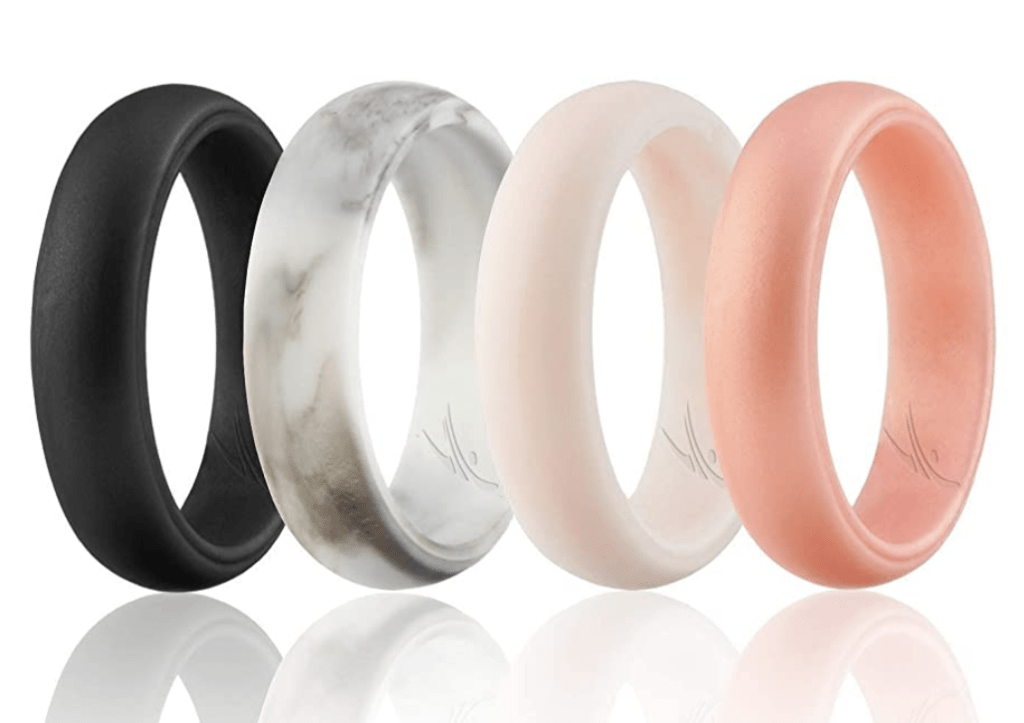
Silicone wedding ring to wear while rowing
Marlene Royle and Rebecca Caroe discuss drills as part of rowing practice for masters rowers.
03:00 Silicone wedding ring
Silicone wedding rings
Men https://amzn.to/2V5tIqH
Women https://amzn.to/2YjEbRp
06:50 Carol Daley’s question I’d like to hear Marlene Royle, Rowing Coach discuss a little more in depth about inboard and its relationship to rigging.
Goal of rigging is to have a longer stroke / time in the water.
Effective stroke length incorporates physiological comfort.
16:00 changes in rigging should not create pain or aches 2-3 days after you make the change.
22:00 New to the 1x tip is get a good posture in the boat - get a correct placement and correct extraction of the oars. Get your own oars allows for customisation of rigging.
27:00 When to incorporate drills into your practice. The role of drills. Drills for crews are about blending timing and rhythm. Early in the session your attention is at a peak.
31:00 The push and pull drill.
Help Rowing Retailers Recover – We are building a giant sale page with a product from as many rowing businesses as we can. Send us your favourite product web link and we’ll get permission to add it to the page. #RowingSale
Blake Gourlay book - the Movement of Rowing
https://rowing.chat/sponsor/blake-gourlay-book/
GPS Speed orders
https://rowing.chat/sponsor/gps-speed-orders/
You may be wondering what is Faster Masters? Let me answer by telling you a story. Grab a comfy seat and a drink because this will take you 5 minutes to read.
Rebecca and Marlene are your coaches were both competitive younger rowers and (eventually) reached the end of their careers and wondered what to do next.
Marlene had won major titles in sculling and sweep rowing including a US National Championship, a Collegiate National Championship, and a Head of the Charles title. In 2000, she set two world records on the Concept2 Indoor Rower; Rebecca was a multiple Henley Womens medalist and Henley Royal Regatta finalist with a string of medals in UK head races, National Championships and a Boat Race win.
After deciding to quit, both were at a loss about what to do next. Was there a place in rowing for older athletes with a bit of coaching experience?
We noticed in every rowing club there is a committed group of older athletes who enjoy training together; they turn up regularly; they get given old boats to use and after training they huddle in the club room drinking tea and clearly having a good time chatting together.
Everyone ignores them.
Nobody knows or cares that they were once the youthful heroes of the club training all hours and winning medals. Once in a while a newcomer is added to the group – someone who moved to the area, a visitor from overseas or a beginner who is starting off in the sport. They quickly become embedded in the group and make friends.
The group gets no coach allocated to advance their skill; they do boat maintenance as they use older shells and oars cast aside by other training groups. And yet …… they have the same commitment and drive to succeed, to gain skill to move a shell with ease, becoming fit, strong and worthy competitors in rowing races.
Rebecca was asked by David Hudson and Andy Ripley to coach the masters group at Tideway Scullers School, her London UK club. This was a revelation. The group were the most attentive students, striving to effect technique changes, hungry for more drills and more insights to make their boat go fast. And as they trained with a common focus and a common purpose they got faster, stronger and that season they won medals, lots of them.
Marlene took a different path – becoming a coach and starting Royle Row training camps and coaching.
But before the internet, few of these masters could find each other and learn together or share experiences. They met occasionally at the Head of the Charles or the FISA Masters Regatta but dispersed afterwards back to their clubs. The group was global but isolated, motivated but un-focused, and unable to progress.
Mike Davenport, the author of the Nuts and Bolts Guide to Rigging and Jimmy Joy, host of the Joy of Sculling Conference were both guests on Rebecca’s RowingChat podcast. Behind the scenes, both gave invaluable advice on how to share coaching advice from a distance, how to bring groups together for a few days to progress rowing skills; how to write clear explanations allowing the reader to coach themselves.
And this motivated both Marlene and Rebecca to continue coaching and to start sharing their knowledge online. Rebecca started writing for an audience of Masters on the Rowperfect blog; Marlene penned articles for Rowing News and gained new club clients who bought her training programs.
The snowball started to roll.
Rebecca invited Marlene to be a guest on RowingChat in January 2016 and that episode became one of the most downloaded ever. They continued chatting offline and decided to launch an advisory self-coaching program called Faster Masters Gold. It is 8 detailed ebooks covering drills, technique adaptations as you age, developing stroke power and racing 1k. The globally popular Facebook group, Masters Rowing International was formed and it continues to grow (>6,000 members) as masters find a community with aligned interests ready to answer each others’ questions and share advice. (Do join and invite your rowing friends.)
These early successes encouraged Rebecca and Marlene to continue to discuss the challenges faced by masters athletes. We found ways to overcome the isolation; to demonstrate smart ways for more people to really enjoy rowing and to make strong progress towards goals - despite clubs who do not support and encourage masters.
Today, Faster Masters Rowing helps athletes with a framework for their training and an online community to support the trials of training, injury, setbacks and to celebrate progress towards success.
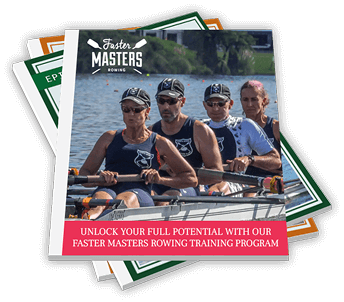
Join our community and get our exclusive Faster Masters Rowing Magazine, packed with tips, techniques, and inspiring stories. Includes four new articles monthly.